【钗头凤 · 2021元旦】
病毒恶,疫情错,时报广场空寂寞。
圣诞荒,元旦凉。帝国繁华,氳霾晦阳。
伤,伤,伤!
民心背,宪政危,民主灯塔或存废?
自由狂,信仰忘,驴象二党,虚骄恣妄。
乱,乱,乱!
【钗头凤 · 2021元旦】
病毒恶,疫情错,时报广场空寂寞。
圣诞荒,元旦凉。帝国繁华,氳霾晦阳。
伤,伤,伤!
民心背,宪政危,民主灯塔或存废?
自由狂,信仰忘,驴象二党,虚骄恣妄。
乱,乱,乱!
华尔街日报的文章题目就错了
近日华尔街日报刊登了一篇文章,乍看标题就知作者在胡说,搞不清楚历史因果关系。其实,美国误判了邓江胡。习,只不过是一个被江胡两代领导班子看走眼而抬入金銮殿,得势后顺手摘了中共改革开放桃子的人。川普政府开始扭转了此前延续近半个世纪的错误政策,恰恰说明美国没有误判习!
中共喊了几十年的 “狼来了!”,如今,“狼真的来了”。对于习政权,美国奥巴马政府是战略失算的,但川普政府不是,而是正确的判断。由此看出,作者不是半吊子的冒牌中国问题砖家,就是故意浑水摸鱼的混账写手。
文章题目就错了,因果颠倒,逻辑错乱,东抄西凑的内容就更不值得细看了。
几天前,派出所的片警来电话告知:局领导打算来“看望”你。因为我根本听不清,只好由老伴接听。她回答说:我每天上午要陪他去医院做理疗,中午午睡以后,请你们下午3点来吧。其实,这是她的缓兵之计。她的计划是争取时间,把厅内乱七八糟的杂物清理一番,让人家看起来顺眼一些。我听说了,也很同意这样的答复。我的打算是争取时间先备一下课。
时事沧桑,转眼间反右派60周年了。关于这次浩劫的性质、背景、人事变幻种种,许多学者写了许许多多的文章,进行了很有价值的探讨。在下觉得还有一个问题值得进一步研究的就是:此次浩劫共有多少人士中枪?
何谓“105室”?就是当年在吉林大学等待平反时被学校当局安排住进招待所的房间号。在这里住的基本上都是原吉林大学的师生员工,前来申诉;在问题没有完全解决前的临时性住所。也有个别人是已经解决甚至已经上班,由于住房尚未解决,暂住。
 |
| 鲁迅在1957年(政治讽刺小说) |
1957年7月7日,毛泽东在上海中苏友好大厦接见上海科学、教育、艺术和工商界的代表人士。席间罗稷南先生斗胆发问:如果鲁迅今天还活着,他可能会怎样?毛泽东(略加思考)答:要么是关在牢里还要写,要么他识大体不做声。
——引自 周海婴 著《鲁迅与我七十年》第370~371页,南海出版公司2001年版
一.歌功颂德与“反现状”
我们是青年人,和过去的青年人不同,生活在幸福的时代。有了共产党,有了革命的老前辈和勤劳的劳动人民,才有了今天美好的生活。过去很多小说家、诗人、音乐家、画家,通过各种不同的形式歌颂过今天美好的生活,歌颂了党的伟大,歌颂了劳动人民,这些都是合乎人情的。过去不是歌颂得太多,而是歌颂得还不够。虽然开国以来出现了很多文艺作品,但是这些作品很大一部分受了庸俗社会学的影响,犯了严重的公式化、概念化的毛病,不能动人地、深刻地反映现实社会中美好的东西。所以我们的艺术家、作家、“人类灵魂的工程师”们应该花费更多的精力来创造出无愧于我们时代的、深刻而动人的作品,来歌颂今天的幸福生活。这是我们作家和艺术家们应尽的义务,也是我们对他们的期望。
《胡风等人是反革命吗?》
 |
| 胡显中 |
在整风期间,我写出了积压在心头多年的质疑。后来校方把本文和另外两篇文章集合编成《毒草汇编》,作为定罪的根据。平反以后,按规定应该销毁所有档案。在清理档案时,经本人请求,留下此册作为史料,由自己保管。几年以后,将原件捐赠给中国革命博物馆,并获捐赠证书。
-----胡显中
追思北京灵光寺演道法师圆寂 世寿69岁
《六祖坛经》曰:“无所从来,亦无所去,无生无灭,是如来清净禅。”其实,此空灵之人生智慧,不仅是佛家法师毕生参悟之涅槃境界,也是云云众生难以企及之梦想追求。对于参禅悟道的修行者而言,或许心有灵犀一点通,在北京时间11月29日笔者突然与一位久未联络的朋友发送微信,不意却被告知北京灵光寺演道法师于2020年11月28日已坐化圆寂。惊悉此闻,甚感意外,不胜追思,无尽缅怀。如按禅宗境界,既然无所从来,也就亦无所去,如今法师圆寂,又何必悲伤哉?
 |
| 吴母钟氏 |
或许,人到了知天命之年,才会有更多的人生感悟。无奈莫过于离别,悲哀莫过于死别。人生难得周全,父母恩难报答,亲情难以酬谢,心愿难得美满。2020庚子岁,全球爆发瘟疫,使得多少外乡游子,海天相望,家国难回,亲人难聚。我在2019年除夕给亲友们的新年问候语中,就莫名地写道:今年过年不拜年!果然,不仅对我而且对全球的人而言,农历2020庚子都是一个非常特别艰难困顿的年份。
On the U.S. Constitutional Crisis, Countermeasures and Way out
--- From Analyzing the Six Stages of American History
Wu Chenmou
 |
| The Constitutional Crisis of the U.S. |
The history of the United States can be roughly divided into six stages. From 1620 to 1776 was the Mayflower Era. From 1776 to 1861, the nation achieved independence and territorial expansion. From 1861 to 1933, the U.S. experienced early capital accumulation and significant economic growth. From 1933 to 2016, the United States emerged as a global hegemon, a period that can be divided into two phases: before 1964, the country maintained a traditional electoral system; after 1964, a universal suffrage system was implemented. Beginning in 2016, however, the United States has entered an era characterized by constitutional crisis.
 |
| The Constitutional Crisis, Countermeasures and Way out |
吴称谋 Wu Chenmou
从大航海时代开始,虽然哥伦布在1492年发现了美洲新大陆,但历史学家们对美国历史的定义存在广义和狭义之分,对其起始时间的界定也存在诸多争议。在1620年以前,应该划分为美洲历史。如果以一个完整社会形态的出现,作为一个国家的历史开始,美国历史大概可以分为以下几个阶段:从1620-1776年的156年期间,属于五月花号的时代,可以看作是美国历史的前传;从1776-1861年的85年期间,可以认为是美国从独立建国到对外扩张疆域的时代;从1861-1933年的72年期间,可以划分为美国爆发南北战争以防止社会分裂,结束奴隶制,实现原始资本积累和伟大崛起的时代;从1933至2016年的83年期间,可以称之为美国称霸并主导世界秩序,对外实行和平演变战略,两大阵营竞赛与冷战的时代。从民主政治而言,以1964年为界线,又可以细分成两个阶段。1964年以前,美国还是保持住了传统选举制度;1964年颁布《平权法案》(Affirmative Action Policies)以后,美国则开始实行了全民选举制度。由此,美国宪政民主体制进入鼎盛,成就了民主典范辐射并影响全球的时代。然而,从2016年特朗普任第45届总统开始,美国已经悄然进入了宪政危机时代,其中包括近年开始活跃的“安提法”(Anti-Fascists or ANTIFA)现象,以及2020年出现的“黑命贵”(Black Lives Matter)乱象。
China Political Logic and Historical Reincarnation
----Is there a battle between China and the United States?
 |
| 中美是否终有一战? |
吴称谋
美国与中华民国恢复邦交与实行“一中两府”的意义

1942年,美国的斯皮克曼提出了“边缘地带理论” (Rimland theory) [iii]。他在《边缘地带论》写道:“中国将毫无疑问地成为远
把我们惊醒的是突如其来的国安法,梦不瞬间崩塌,明天会是一场场
 |
| The Communist Virus |
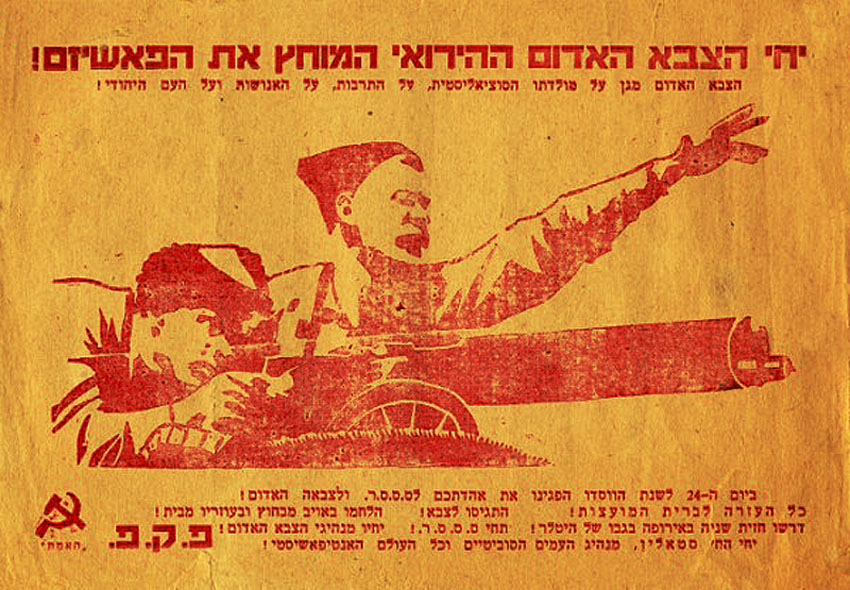
The history of humankind progressed into the twentieth century, and the global political landscape underwent tremendous changes due to World War I and World War II, with far-reaching effects that continue to the present. After the First World War, the era of colonial predatory capitalist expansion largely came to an end. Many of the modern world’s major religious issues and ideological conflicts began to manifest after World War II.
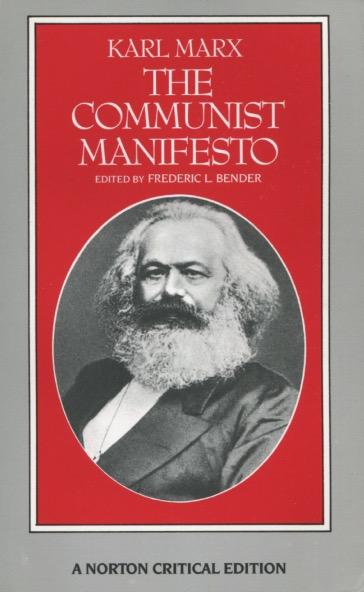
At the same time, the First World War spurred the rise of Communism in Europe, particularly following the October Revolution of the Russian Bolshevik Party in 1917, which established the first Communist totalitarian state. Historical research indicates that Communism originated from Marx’s ideas, clearly articulated in The Communist Manifesto. Later history demonstrated that the utopian Communist system, which ultimately led to slavery, carried the shadow of Marx’s manifesto.
In addition, the First World War also contributed to the expansion of Islam beyond the Arabian Peninsula, initiating malignant growth and laying the groundwork for the century-long conflicts and confrontations in the Middle East that persist today.
《天问系列丛书》总序
“究天人之际,通古今之变。”是汉朝司马迁的治史名言。天问学会(Tian Wen Institute)是在美国注册的NGO学术机构,其成员为当代华语世界的优秀专家学者。天问的成员在多元历史文化的研究过程中,凭着读书人的良知和使命,究天人之道,辨社会之机,试图为中国的社会转型和民族进步奉献出才智。
中国近现代史是上下五千年历史长河中的拐点时期,其超复杂性和超广泛性,使得它在历史大变局中有着非常重要的特殊地位。历史究竟是什么,历史就是现在与过去之间永无休止的对话,这乃是人类的一个永恒课题。天问学会之所以重点研究中国近现代史,不是因为它的辉煌,也不是缘于它的精彩,而是由于它关系到中国文明的兴衰、民族发展的方向,人性的彰显与道德的拯救等诸多的问题。
上溯两个世纪以来,几代华人学界先贤们,不管生在何时,无论身处何地,他们先天下之忧而忧,后天下之乐而乐,坚守自由之思想,秉承独立之精神,已经为中国的社会大转型奉献出了毕生的智慧与心血。天问学会以客观、理性、多元、共融为宗旨,通过近现代史上的不同主题和特殊年份,将学界先贤和同仁们有专题性和代表性的优秀文章和学术著作,通过天问出版社的《天问系列丛书》,汇聚成文集或专著作公益性出版。
天问的学者团队致力于在华语世界的历史文化研究领域,将零散的火花聚成火炬,闪烁的智慧汇成智库,分散的能量聚为动力,为当下和未来的中国社会大转型作不懈努力!
|
| Communist Virus |
人类历史发展到了二十世纪,世界政治格局因两次世界大战而发生了巨大变化,其深远的影响直至当下。第一次世界大战后,基本结束了殖民掠夺式的资本主义发展之路。世界的主要宗教问题和意识形态几乎都在第一次世界大战后形成基本架构。与此同时,第一次世界大战促使了共产主义在欧洲的兴起,特别是1917年俄国布尔什维克党的十月暴动后产生了第一个共产极权国家。据历史考证,共产主义最初源于马克思的“幽灵”说,马克思在《共产党宣言》里面有明确的表述。后来的历史证明,通往奴役之路的乌托邦共产制度,都有着《共产党宣言》若隐若现的影子。另外,第一次世界大战也促进了伊斯兰教冲出阿拉伯半岛而极度扩张,同时也为中东地区长达百年的冲突和对抗埋下了难以根除的祸因。
The history of humankind has developed into the twentieth century, and the world’s political landscape has undergone tremendous changes due to World War I and II, and its far-reaching influence has continued to the present. After the First World War, the colonial predatory capitalist development basically ended. The major religious issues and ideologies of the modern world almost all started to manifest after the First World War. At the same time, World War I spurred the rise of Communism in Europe, especially after the October riots of the Russian Bolshevik Party in 1917 that produced the first Communist totalitarian state. According to historical research, Communism first was originated from Marx’s “Specter” that Marx clearly stated in <The Communist Manifesto>. Later history proved that the utopian communist system leading to the road of slavery had the looming shadow of <The Communist Manifesto>. In addition, World War I also promoted the Islamic Religion to break out from the Arabian Peninsula and started to expand malignantly. At the same time, it also gave birth to a cancerous root for the century-old conflict and confrontation in the Middle East that is difficult to eradicate.
 |
| Chenmou Wu: The Call of History of Modern China |
It has been nearly half a century since the outbreak of the Cultural Revolution in the 1960s. This nationwide movement, powered by ideologies such as “No Crimes in Revolution, All Justified in Rebellion,” swept across China like a tornado, leaving one of the darkest periods in Chinese history. The Cultural Revolution only came to an end with Mao’s death and the collapse of the Gang of Four. Since then, China has transformed from a poor and fragile nation on the brink of collapse into the world’s second-largest economy. In the long shadows of Chinese history, fifty years is but a fleeting moment. As a Chinese proverb says, “falls as abruptly and rapidly as it rises.”
A Chinese party-state official once questioned the significance of commemorating the Cultural Revolution, noting that while the Ming Dynasty was unprecedentedly corrupt, it lasted over 200 years. He implied that current corruption might not necessarily bring down the party-state and that overseas Chinese pro-democracy efforts might be fruitless. Yet history demonstrates that dynasties can rise and fall swiftly. The rapid rise and fall of the Taiping Heavenly Kingdom and the Kuomintang’s ouster from mainland China, for example, were directly tied to corruption. Internationally, dramatic changes in Eastern Europe, the disintegration of the Soviet Union, the collapse of the Soviet Communist Party, and recent transformations in the Middle East and North Africa all attest to the truth of the proverb: “falls as abruptly and rapidly as it rises.” Thus, the party-state could collapse without warning.
The dramatic changes in China have attracted attention from scholars both within China and abroad, prompting exploration and analysis. Any dissenting voices, however, are often labeled as “overseas hostile organizations” or “anti-China forces.” Addressing the patriotic acts of overseas Chinese, therefore, is a critical question for the Chinese government. It requires openness, a reassessment of old concepts, and adjustments in foreign policy. In this context, Tianwen United Institute publishes this anthology in the United States: A Turning Point Long-Awaited in History — Retrial of the Cultural Revolution and Exploration of the Future. The book’s title reflects the authors’ perspective: authoritarian rule in China has lasted over two thousand years, but a one-party dictatorship must end in the 21st century. By reflecting on the Cultural Revolution and contemporary history, a turning point can emerge. Our goal is not to expose individuals’ wrongdoings or oppose the Chinese government, but to provide constructive suggestions for exploring China’s future path and development.
It is important to recognize and appreciate China’s economic progress today. Yet throughout Chinese history, authorities have consistently showcased “superior achievements” to obscure a multitude of sins. The Qin Dynasty wielded a strong military to overshadow harsh laws and brutality; the Tang Dynasty displayed magnificent culture yet suffered corruption and border troubles; the Song Dynasty prospered economically but maintained a weak military; the Ming Dynasty achieved advanced maritime technology but endured tyranny and eunuch rule; the Qing Dynasty controlled vast territories and enjoyed glory but faced inequality, corruption, conservatism, and closed borders. While the achievements of each dynasty did not prevent decline, their weaknesses inevitably contributed to their demise. Today, it is urgent for China to focus on its disadvantages rather than merely celebrate successes. What are China’s shortcomings? Where do societal ailments originate? By treating world history as a mirror and learning from international experience, Chinese thinkers with dialectical, global, and historical perspectives can objectively and rationally analyze contemporary phenomena.
In light of this, Tianwen United Institute organized the symposium “Rethinking the Cultural Revolution to Explore China’s Forthcoming Development.” We selected outstanding speeches and paper submissions to form this book, which is divided into two parts. Part I, History and Present, contains ten articles; Part II, Cultural Revolution and Study of Cultural Revolution, contains eight articles. The contributions are briefly introduced as follows:
“Will the Second Cultural Revolution Probably Take Place in the Future?” by Mr. Yao Jianfu, a retired researcher at the Rural Development Research Center of the China State Council, argues that China’s “Four Cardinal Principles” were a “lame reform” that could inevitably lead to a resurgence of the Cultural Revolution. He posits that such an event is likely if economic, political, and social crises reach a boiling point, with landless peasants and migrant workers as the main force. Mr. Yao emphasizes the importance of studying the Cultural Revolution carefully to prevent future tragedies. He advocates political reforms to achieve social justice and suggests that freedom of speech could alleviate social pressure. Mr. Cai Nancheng, with extensive experience planning and building museums in China, shares his expertise in creating a museum dedicated to the Cultural Revolution, offering candid insights into China’s social transformation.
Mr. Gao Falin, in Mao Zedong’s ‘Great Harmony Dream’ and the Cultural Revolution, examines Mao’s motivations. He asks: “What did Mao Zedong aim to accomplish? Did he seek to add elements to the Soviet socialist model? No. Mao wanted an entirely new socialist system. He sought to resolve issues no previous revolutionist had addressed: eliminating social classes and ensuring every citizen participated in community management.” He emphasizes that Mao’s vision of an ideal society permeated his entire revolutionary career. Mao aspired not only to be a communist pontiff but also a tutor for humanity; at one point, he told Edgar Snow he merely wanted to be a “teacher.” Mr. Gao’s article illuminates Mao’s utopian ambitions and complex motives in launching the Cultural Revolution, providing invaluable insight for scholars and evaluators of Mao’s legacy.
Dr. Wang Guilan examines the Cultural Revolution through Yao Shuping’s novel The Land of Sadness, highlighting the brutality of the Red Guards and its devastating impact on Chinese education. She identifies three critical flaws in education: lack of general education, deviation from proper educational philosophy, and suspension of historical and cultural research. Dr. Wang urges educators to confront the essential question: what kind of individuals should students become? Her commitment to education underscores the necessity of reviving Chinese culture.
I contribute an article proposing that China should adopt a new perspective on culture and history through reflection on the Cultural Revolution. This cultural framework should be grounded in the Tao of the universe and faith in God. It encompasses multiple paths, including Tai Chi, Christian theology, Taoist principles, Zen philosophy, and Confucian human relationships. If China seizes this rare historical opportunity, it could not only revive its cultural heritage but also emerge as a global leader in a New Axial Age.
Mr. Ren Yanfang, in Tang Mo’s Death and My Repentance from his memoir Changchun Film Studio Nightmare—Reflection on Cultural Revolution and Repentance, recounts his youth, initially viewing the Communist Party as his “mother,” and details his spiritual torment during the Cultural Revolution. He exposes the political circumstances surrounding Tang Mo’s death and illustrates how Party ideology oppressed humanity. His honest reflections and repentance, written near the age of eighty, are compelling and deeply moving.
Ms. Li Ying, born in 1989, analyzes the ten-year Cultural Revolution within the broader sweep of Chinese history. She concludes that Mao’s era was more authoritarian than traditional imperial society, representing the height of authoritarianism. Other young scholars, such as Mr. Chen Chuangchuang, Mr. Lu Wenguang, and Mr. Li Zhang Sheng, offer analyses of historical facts, group dynamics, and causes of the Cultural Revolution, providing fresh insights and perspectives.
Mr. Luo Weinian, in Exploring the Cyclical Crisis of Political Power Succession from the Tragedy of Cultural Revolution, argues that China’s highest political succession inherently leads to cyclical crises due to authoritarian structures. Mr. Gong He examines democracy, republicanism, and authoritarianism through the lens of the Cultural Revolution, emphasizing the importance of separation of powers. Mr. Ding Kaiwen discusses the role of the People’s Liberation Army, while Mr. Xing Dakun examines Lin Biao’s incident and the 9th Party Congress, illustrating why Mao’s planned three-year Cultural Revolution extended into ten years. Mr. Feng Shengping offers a psychoanalytic view, stressing repentance and introspection to heal the nation’s “vacuum-like souls.” Ms. Chu Juehui highlights the moral deficiencies of educated elites at Peking University, emphasizing that knowledge alone does not equal virtue.
Ms. Xu Xiaoqing and Mr. Sun Yingping share memoirs recounting their families’ suffering during the Cultural Revolution, both having been genuine believers in communism. Their testimonies provide universal, historically representative accounts. Mr. Li Zhensheng’s Let the Whole World Understand the Disaster of Chinese Cultural Revolution documents his international efforts to educate the public about the Cultural Revolution through photography and public lectures, offering a candid, introspective perspective.
Not all submissions or speeches are included. For instance, Mr. Wei Bizhou, Deputy Managing Editor at World Journal, emphasized that despite China’s economic rise, its future remains uncertain if Cultural Revolution legacies remain unresolved. Mr. Luo Weinian discussed “princelings” and their need for reflection, while Dr. Wang Guilan highlighted the importance of cultivating responsible global citizens.
Taken as a whole, A Turning Point Long-Awaited in History — Retrial of Cultural Revolution and Exploration of Future is not confined to the ten years of the Cultural Revolution. It connects modern and contemporary Chinese history, politics, culture, and education, showing that the Cultural Revolution was not an isolated political event. The articles reflect patriotism, intellectual rigor, and the best intentions of Tianwen United Institute. Whether these hopes come to fruition is left to readers and to history to decide.
Truly concerned overseas Chinese are rare, a tragedy for the nation and misfortune of the times. As Mr. Li Zhensheng notes, “I never expected that Brazil, in remote South America, would still care about the Chinese Cultural Revolution. While I was speaking there, only two ethnic Chinese attended—one from Hong Kong and one from Taiwan. No one from mainland China was present. This was deeply saddening.”
In our “global village” era, our destiny is intertwined with the development of our homeland. Only through understanding the past and present can we love our homeland rightly; only through morality and justice can we care for its future. The authors of this anthology have courageously highlighted China’s weaknesses, and if this collection inspires readers to reflect on their homeland and its future, we will have achieved our highest purpose.
 |
| 徐立峰駁斥邱毅謬論 |
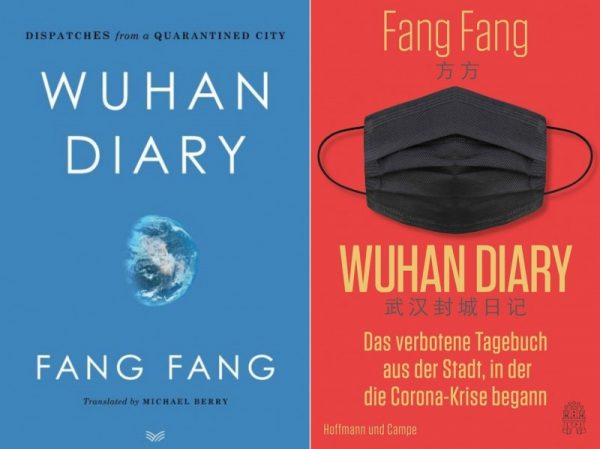 |
| 一位台湾华裔眼中的方方日记 |